Most unicorns become billion-dollar companies by convincing millions of people to download their products.
Skyroot Aerospace became one by convincing investors that it could build a rocket.
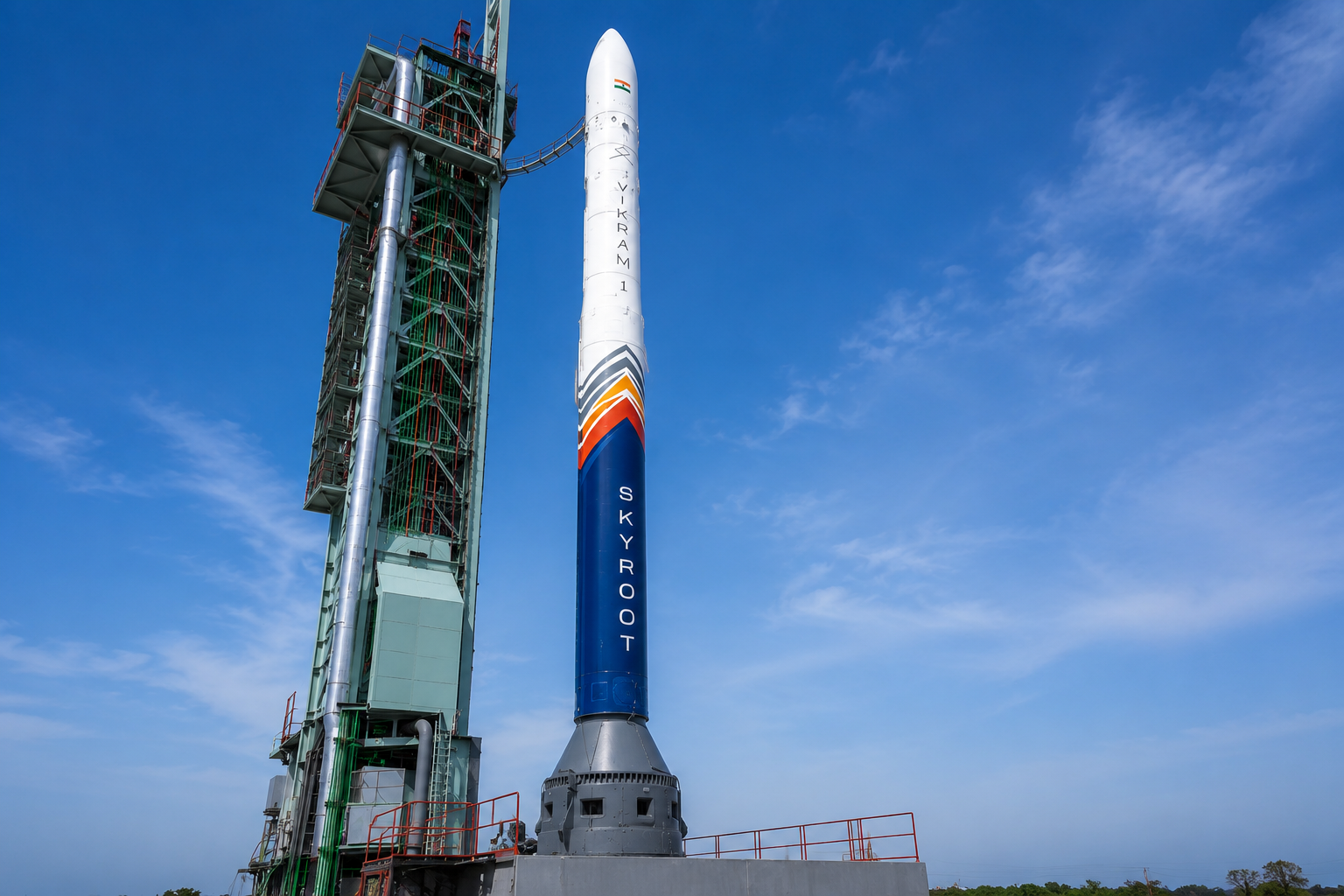
This week, the Hyderabad-based startup is preparing for its biggest milestone yet: Mission Aagaman, the maiden test flight of their Vikram-1 rocket, India’s first privately developed orbital rocket designed to place satellites into orbit. While the mission itself has grabbed headlines, it also marks an important moment in Skyroot’s seven year journey from an ambitious idea to India’s first space-tech unicorn.
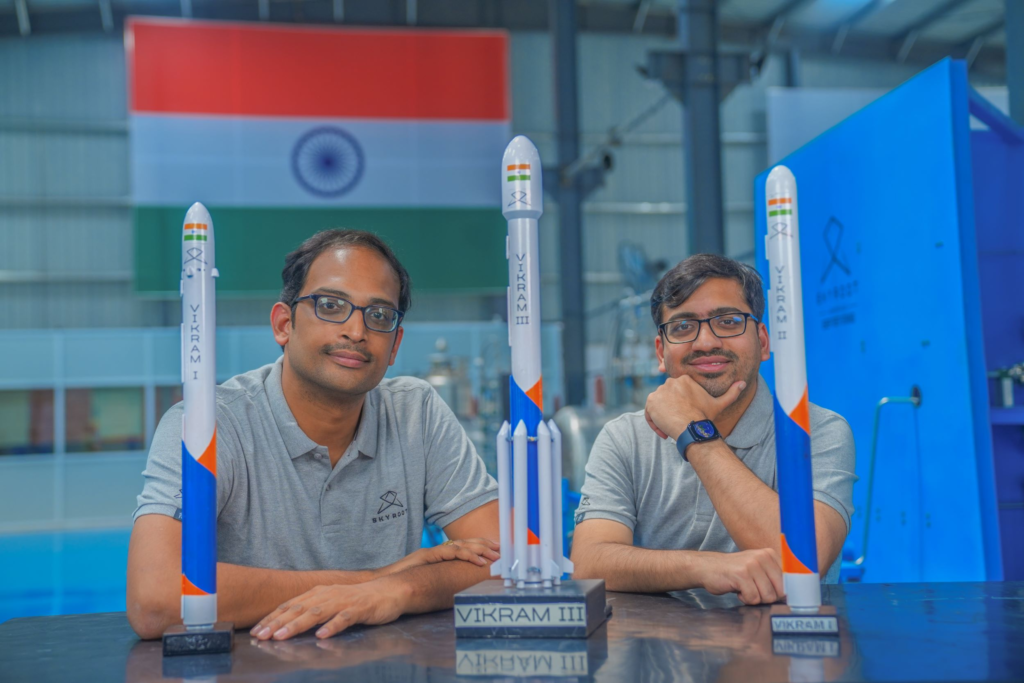
Founded in 2018 by former ISRO scientists Pawan Kumar Chandana and Naga Bharath Daka, Skyroot set out with a clear objective: to make satellite launches more accessible, affordable and frequent. As the number of satellites being launched worldwide continues to grow for communication, navigation, Earth observation and defence, the founders saw an opportunity to build launch vehicles specifically for the rapidly expanding small satellite market.
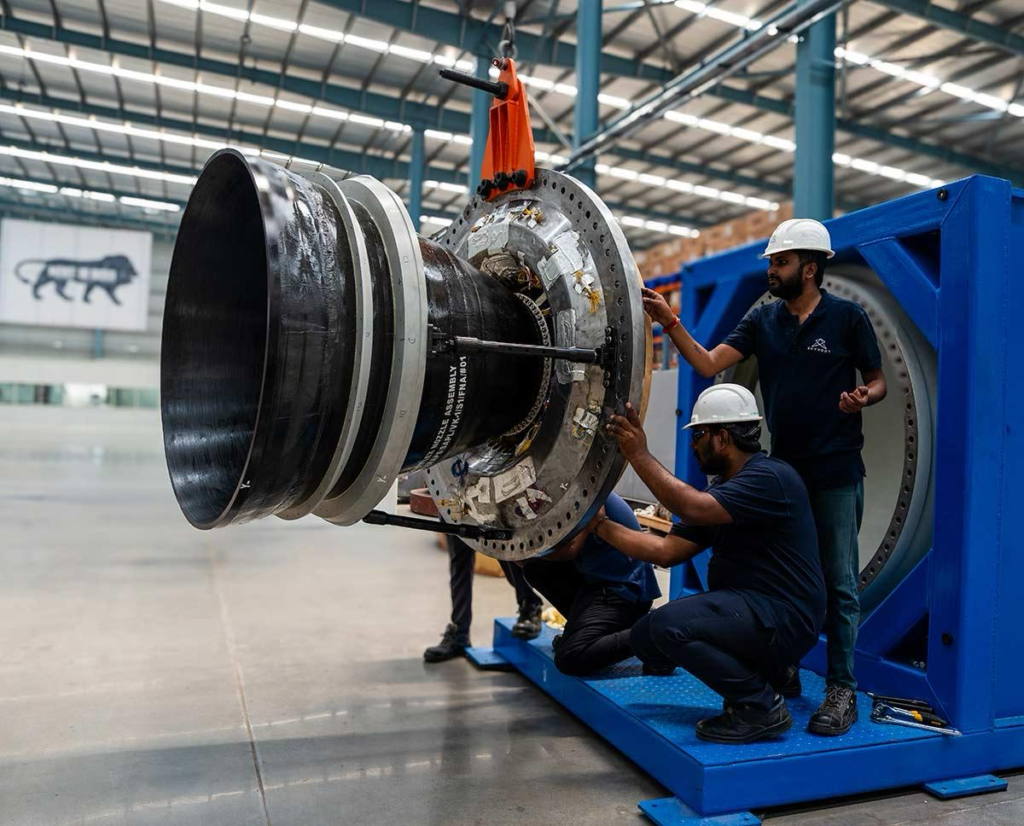
The company spent its early years developing propulsion systems, testing rocket engines and building launch technology before making headlines in 2022 with Vikram-S, India’s first privately built rocket to successfully reach space. The mission proved Skyroot’s technical capabilities and established it as one of India’s most promising deep-tech startups.
Since then, investor confidence has only grown. Backed by investors including GIC, Sherpalo Ventures, Temasek, Lightspeed Venture Partners and the founders of Greenko Group, Skyroot recently crossed a $1.1 billion valuation, becoming India’s first unicorn in the space-tech sector. Unlike most unicorns that scale through customers and recurring revenue, Skyroot’s growth has been driven by years of engineering, research and long-term investor confidence in the commercial space industry.
That brings the spotlight to Vikram-1.
Unlike Vikram-S, which served primarily as a technology demonstration, Vikram-1 is Skyroot’s first orbital launch vehicle designed to carry multiple small satellites into orbit. A successful mission would be a major step toward commercial launch operations, allowing the startup to compete for customers looking for dedicated satellite launch services in a fast-growing global market.
Whether Vikram-1 reaches orbit or not, the launch marks a defining moment for Skyroot. For the first time, the company’s years of research, engineering and investor confidence will be tested where it matters most—in space.
For Skyroot, the countdown is no longer just about launching a rocket. It’s about proving that investor confidence can translate into commercial execution.