In India’s electric vehicle market, capital is no longer just fuel for growth. It is becoming the product’s biggest competitive advantage.
Companies are no longer raising capital simply to survive. They’re raising it because building an EV company today demands billions for factories, battery technology, charging infrastructure, software, dealerships and marketing. Every new round of funding is less about extending the runway and more about buying the next phase of growth.
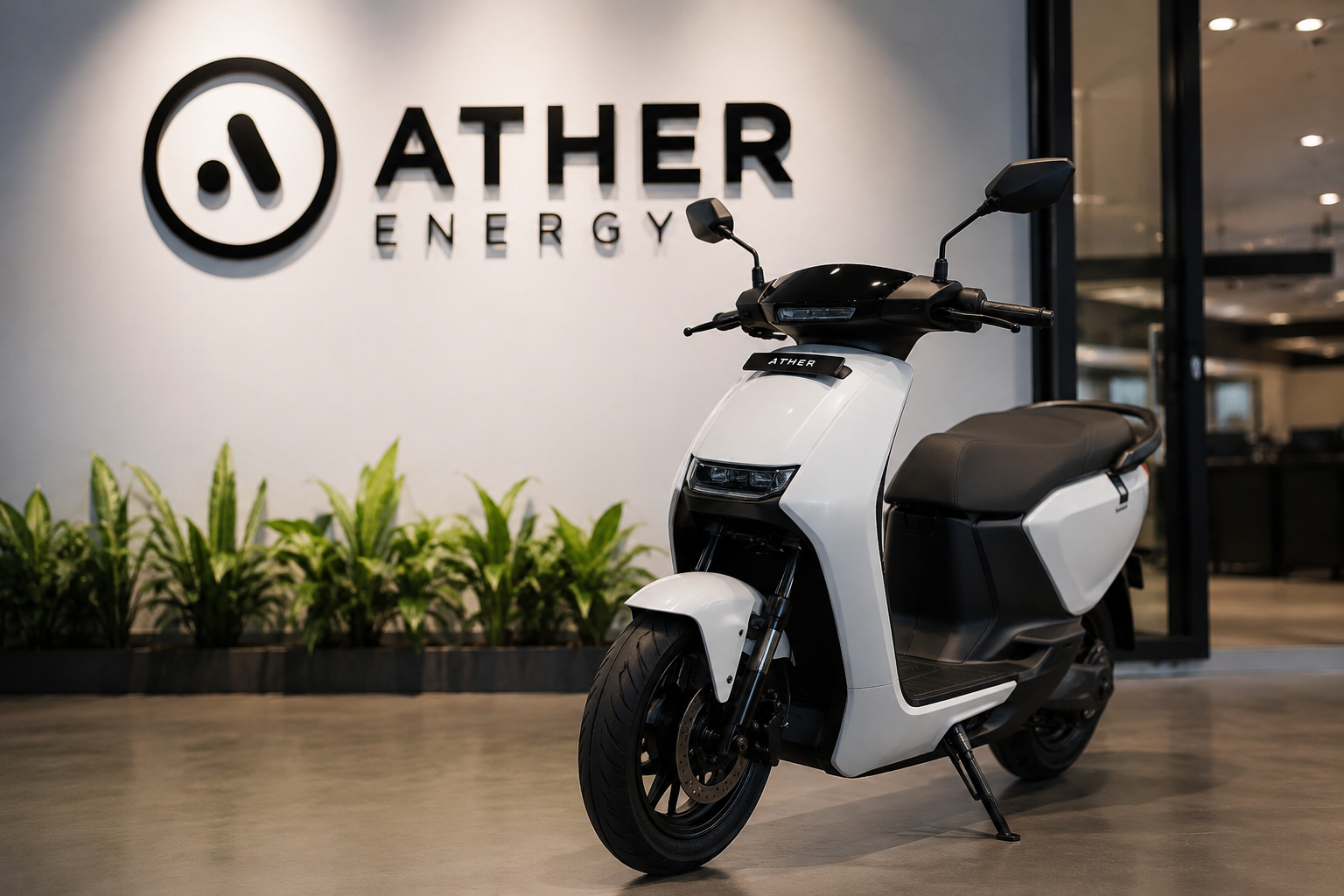
Ather Energy’s latest ₹1,200 crore raise is the ultimate validation of this strategic shift
For much of the last decade, success in India’s electric vehicle market depended on convincing consumers that electric scooters were a practical alternative to petrol. Today, that debate has largely been put to rest. Consumer adoption is rising, competition is intensifying, and the question is no longer “Will they buy it?” but “Can we afford to build the infrastructure to scale it?”
Against this backdrop, Ather Energy has approved a ₹1,200 crore preferential issue, with Hero MotoCorp investing ₹960 crore, the government-backed India–Japan Fund contributing ₹200 crore, and founders Tarun Mehta and Swapnil Jain investing ₹20 crore each. The company also plans to raise another ₹1,300 crore through debt, taking its overall capital plan to ₹2,500 crore.
Founded in 2013, Ather has taken a markedly different approach from most EV startup. Rather than expanding as quickly as possible, it focused on engineering, connected software, battery technology, and its proprietary charging network, Ather Grid. That strategy positioned the company as a premium EV brand with products such as the 450 series and the recently launched Rizta scooter.
This strategic positioning also draws a sharp contrast with its primary competitor, Ola Electric, which has largely prioritised rapid scale through aggressive product launches, manufacturing expansion and mass-market reach. The disparity is reflected in their business strategies as much as in their market positioning. While Ola has focused on capturing volume, Ather has concentrated on technology, software integration and customer experience.
That distinction is beginning to show up in the numbers as well.
In June 2026, Ather registered 31,188 electric two-wheelers, recording a 114.7% year-on-year growth and increasing its market share from 14.7% to 16.11%. Ola Electric, meanwhile, registered 16,144 units, with its market share dropping sharply from 18.6% to 8.3% over the same period. The contrast suggests that while Ola continues to chase scale, Ather’s premium, product-led strategy is translating into stronger market momentum.
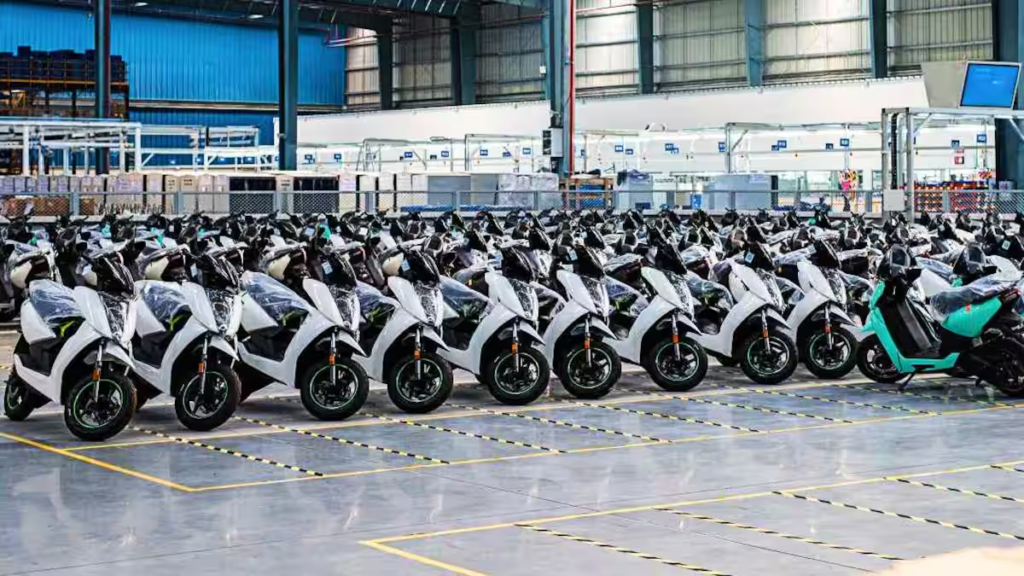
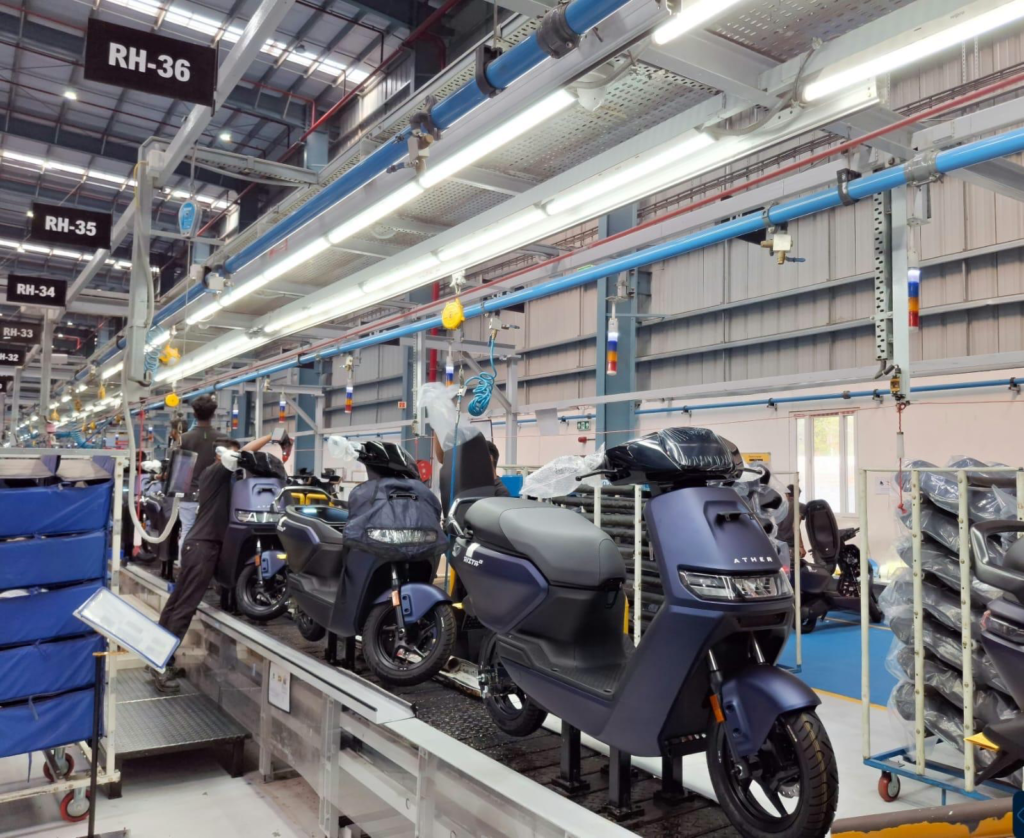
That difference explains why fresh capital matters so much for Ather. The ₹1,200 crore infusion will support research and development, marketing, and, most importantly, Ather’s Factory 3.0 project in Maharashtra. The new facility is expected to increase the company’s annual manufacturing capacity to 1.42 million electric scooters, enabling Ather to scale production for future launches, including more affordable models aimed at expanding its customer base. Hero MotoCorp’s decision to deepen its investment reflects confidence not just in Ather’s products, but in its long-term roadmap.
Ather’s capital raise serves as definitive proof that India’s EV industry is entering a more demanding phase, one where innovation alone is no longer enough. Companies must now demonstrate that they can scale efficiently, strengthen infrastructure and continue investing even as competition intensifies.