

For decades, companies invested in technology to help employees work faster. Today, they’re investing in technology while redesigning the workforce itself.
Microsoft’s latest layoffs of roughly 4,800 workers is a prime example of that broader shift. The decision comes at a time when the firm is progressively channeling more capital into its artificial intelligence ecosystem, with capital expenditure expected to approach $190 billion for calendar year 2026 to expand AI infrastructure, cloud capacity and next-generation computing capabilities.
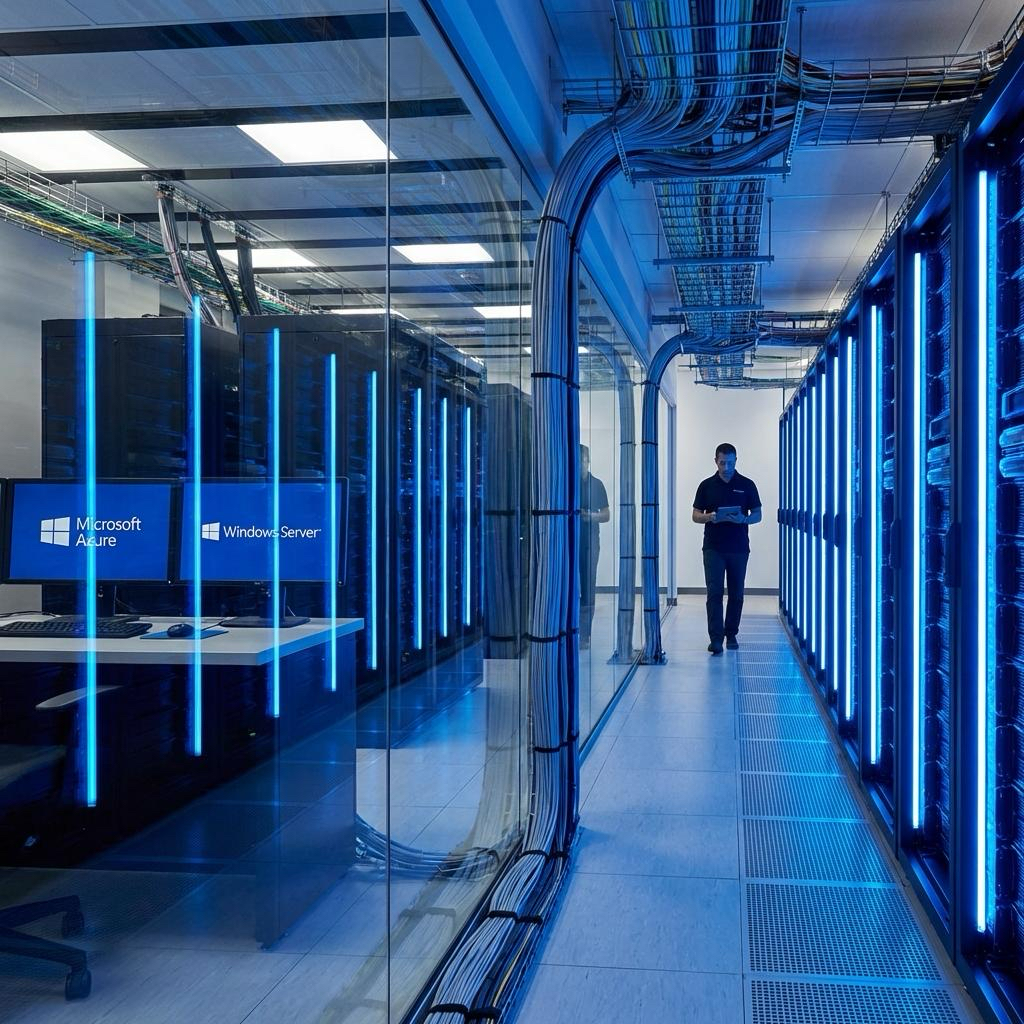
Artificial intelligence is no longer being used only to make employees more productive. Increasingly, it is influencing how companies distribute work, structure teams and decide which capabilities they need for the future.
Microsoft isn’t alone in making that transition. Over the past few years, Google, Meta, Amazon and Salesforce have all escalated their AI ambitions while restructuring parts of their organizations. Viewed individually, these announcements appear to be routine corporate decisions. Viewed together, they point to a broader shift in how the technology industry is evolving.
Growth is no longer tied to the traditional metric of workforce expansion. Increasingly, companies are asking a different question: what kind of workforce is needed in an AI-first organization?
That question is transforming hiring priorities across the industry. Demand continues to grow for AI researchers, machine learning engineers, cloud architects and cybersecurity specialists, while companies are reevaluating roles that involve repetitive processes, multiple layers of management or tasks that can increasingly be supported by intelligent software.
What remains less certain is how far this shift will go. As companies integrate AI into more business functions, they are also redefining organizational structures, reporting hierarchies and the role of human expertise. Whether that leads to more agile businesses or creates new challenges for employees remains an open question.
The conversation, therefore, extends well beyond Microsoft’s latest announcement. Investors are watching whether massive AI investments translate into sustained productivity and financial returns. Employees are questioning how career paths will evolve in increasingly AI-driven organizations, while policymakers are beginning to examine the broader impact of automation on labour markets and economic growth.
Announcements like Microsoft’s do not answer those questions, nor do they establish a blueprint for every company. They do, however, reflect a wider shift taking place across the technology industry, one where artificial intelligence is influencing not only the products companies build, but also the way they allocate resources, organize teams and prepare for long-term growth.