The race for AI-powered smart glasses is heating up. Meta and Samsung—two major global tech giants—are expected to launch AI smart glasses with displays in the same year, likely around 2027, according to recent reports.
Meta Currently Leads, But Competition Is Coming
Meta, the parent company of Facebook, Instagram, and WhatsApp, currently leads the global AI smart glasses market with its Ray-Ban Meta glasses. However, this leadership may soon be challenged as Samsung and Google prepare to enter the Android XR smart glasses space.
Google has already confirmed that Android XR-powered smart glasses will arrive in 2026. Samsung is expected to be the first brand to launch AI glasses running Android XR.
Samsung’s Smart Glasses: Wireless and Lightweight
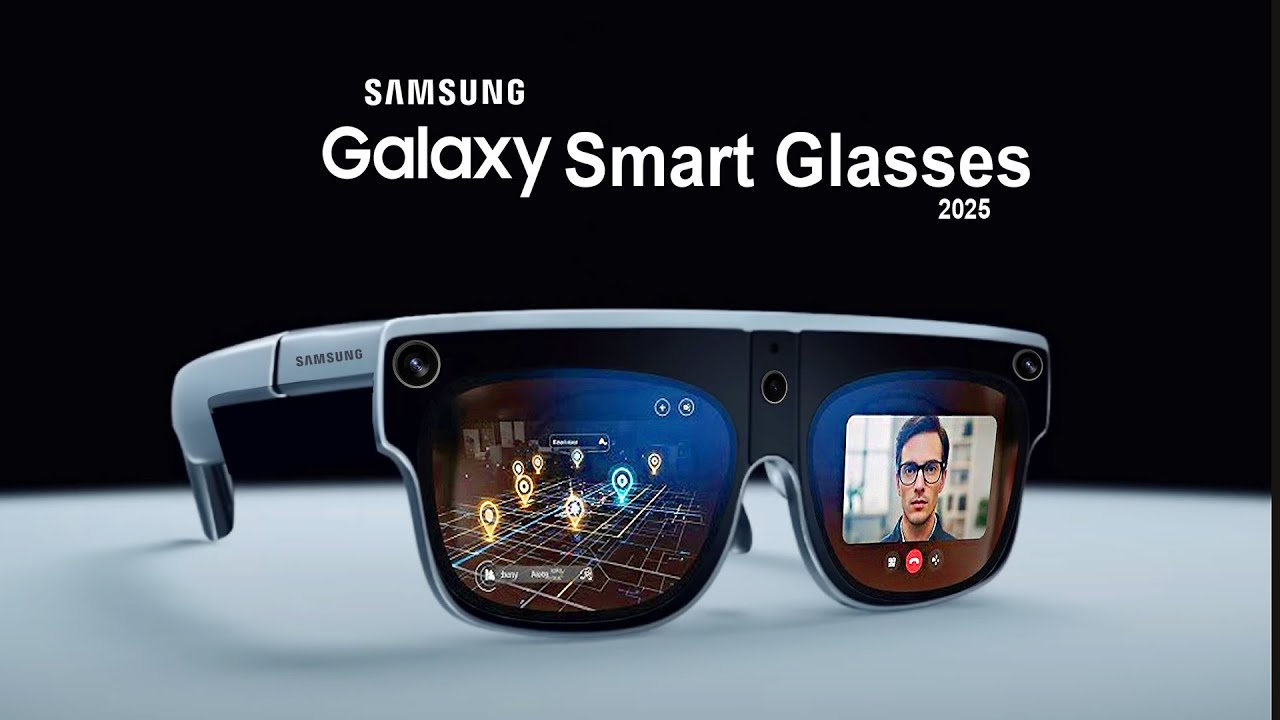
Samsung’s first AI smart glasses, expected in 2026, may not include a display. These glasses will likely feature:
- Camera
- Microphones
- Speakers
- Gemini AI assistant
In 2027, Samsung is rumored to launch a more advanced version with a monocular AR display on one lens. These glasses are expected to be:
- Fully wireless
- Connected to smartphones via Bluetooth and Wi-Fi
- Lightweight and designed for everyday use
Meta’s AI Glasses: More Power, Wired Design

Meta has already showcased a prototype of display-equipped smart glasses. The company is working on a mixed-reality project internally known as “Phoenix.”
Initially planned for a 2026 launch, reports now suggest Meta has delayed the release to 2027 to improve quality and user experience.
Unlike Samsung’s approach:
- Meta’s glasses will be wired
- They will connect to a separate puck that holds the battery and processing hardware
- The design reportedly looks closer to Apple Vision Pro than traditional glasses
Meta’s smart glasses will run on Meta Horizon OS, a customized version of Android.
Different Strategies, Same Goal
While both Meta and Samsung are targeting AI-powered smart glasses with displays, their strategies are very different:
- Samsung focuses on lightweight, wireless, everyday AR glasses
- Meta aims for more powerful, immersive mixed-reality experiences
This positions Meta’s glasses somewhere between Samsung’s Galaxy XR headset and Samsung’s future AI glasses.
Big Players, Bigger Market
The AR and XR market is rapidly evolving. Apple, Meta, and Samsung are expected to dominate this space over the next few years:
- Samsung AI glasses: 2026–2027
- Meta display-equipped glasses: 2027
- Apple AI glasses: expected around 2027
What This Means for Consumers
AI smart glasses are moving closer to reality. With displays, voice assistants, cameras, and AR features, they could soon change how people:
- Use smartphones
- Access information
- Interact with the digital world
The next two years could define the future of wearable AI technology.